November 15, 2024
Email Marketing Strategies That Drive Repeat Business for Home Service Companies
Email marketing remains one of the highest-ROI marketing channels for home service businesses. Learn how to build your list, craft compelling campaigns, and turn one-time customers into loyal repeat clients.
Written by Frankwin Hooglander
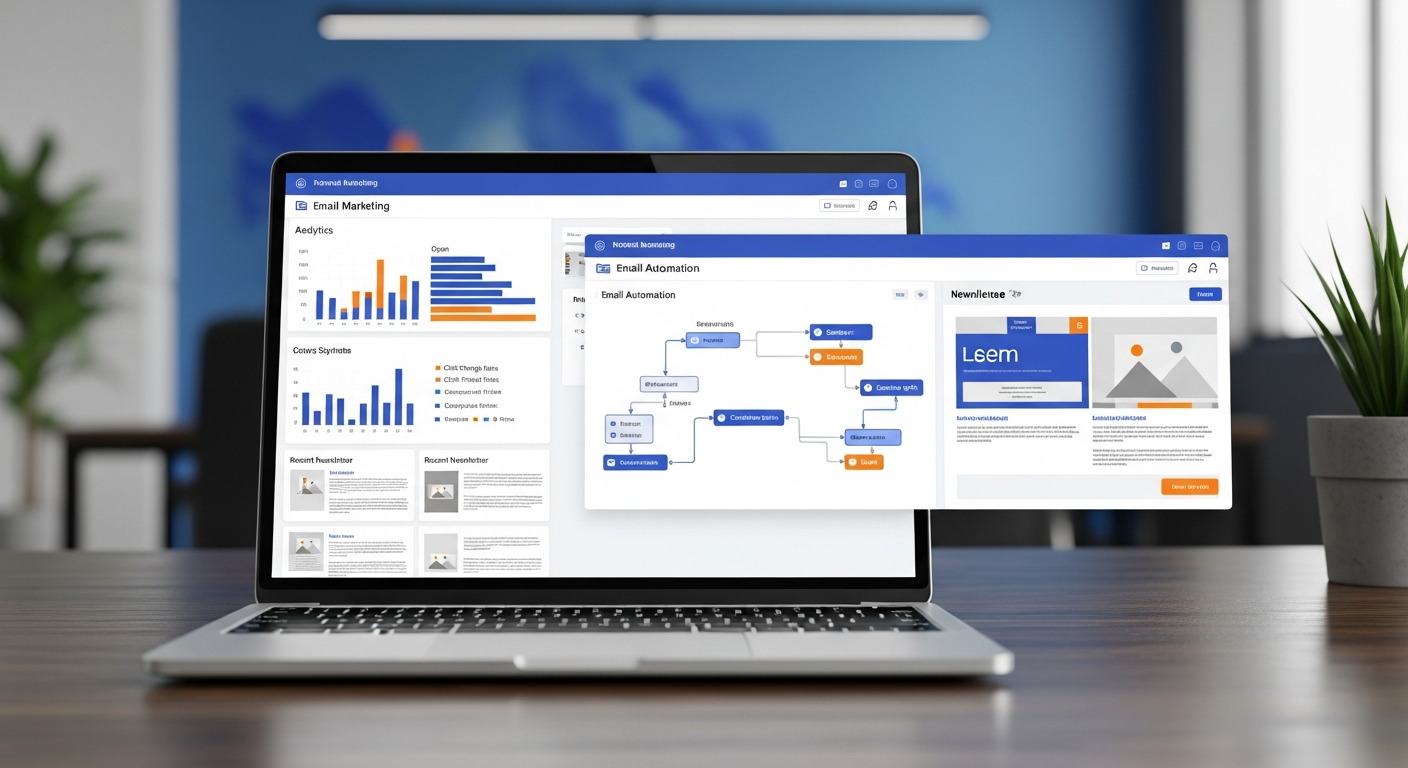
In an age of social media advertising and pay-per-click campaigns, email marketing might seem old-fashioned. But for home service businesses, email remains one of the most powerful and cost-effective marketing channels available. With an average ROI of $42 for every $1 spent, email marketing delivers results that few other channels can match.
The reason is simple: email gives you direct access to people who already know and trust your business. Unlike social media where algorithms control who sees your content, or paid ads where you're constantly paying for attention, email lets you communicate with your audience on your terms.
Why Email Marketing Works for Home Services
Home service businesses have unique advantages when it comes to email marketing:
High-Value, Recurring Services
Most home services aren't one-and-done. HVAC systems need seasonal maintenance. Plumbing issues recur. Pest control requires ongoing treatment. Lawns need regular care. This creates natural opportunities for repeat business—if you stay top of mind.
Local, Relationship-Based Business
People prefer hiring service providers they know and trust, especially for work inside their homes. Email helps maintain that relationship between service visits, building familiarity and trust over time.
Seasonal Demand Patterns
Many home services have predictable seasonal peaks. Email lets you proactively reach customers before they need service, capturing demand before competitors.
Referral Potential
Satisfied customers are your best source of new business. Email makes it easy to encourage and facilitate referrals at scale.
Building Your Email List
An email marketing strategy is only as good as your list. Here's how to build a quality subscriber base:
Capture Every Customer
Every customer interaction is an opportunity to add someone to your list:
- Service completion: Collect email during checkout or job completion
- Estimates and quotes: Require email for estimate delivery
- Phone inquiries: Train staff to collect email during calls
- Technician visits: Have technicians confirm email on-site
Your CRM should make email collection automatic and consistent across all customer touchpoints.
Website Lead Capture
Your website should actively grow your list:
- Contact forms: Always include email as required field
- Quote requests: Email required for estimate delivery
- Newsletter signup: Offer valuable content in exchange for subscription
- Lead magnets: Free guides, checklists, or resources requiring email to download
- Exit-intent popups: Capture visitors before they leave
Quality Over Quantity
A smaller list of engaged subscribers is more valuable than a large list of uninterested contacts. Focus on:
- People who have actually used your services
- Prospects who have requested quotes or information
- Website visitors who actively opted in
Avoid purchasing email lists or adding people without explicit consent—it damages deliverability and violates anti-spam regulations.
Types of Email Campaigns for Home Services
Transactional Emails
These are triggered by specific customer actions and have the highest open rates:
- Appointment confirmations: Details of scheduled service
- Reminder emails: 24-48 hours before appointment
- Service completion summaries: Recap of work performed
- Invoice and payment receipts: Financial documentation
- Review requests: Post-service feedback solicitation
While primarily functional, transactional emails are opportunities to reinforce your brand and include subtle marketing messages.
Maintenance Reminders
Proactive reminders drive recurring revenue:
- Seasonal service reminders: "It's time for your spring AC tune-up"
- Anniversary emails: "It's been one year since your furnace installation"
- Warranty expiration notices: "Your equipment warranty expires next month"
- Scheduled maintenance: Reminders for agreed-upon service intervals
These emails feel helpful rather than promotional, making them well-received while driving bookings.
Promotional Campaigns
Occasional promotional emails drive immediate action:
- Seasonal specials: Discounts tied to peak service periods
- New service announcements: Introducing expanded offerings
- Referral programs: Incentives for customer referrals
- Limited-time offers: Urgency-based promotions
Balance promotional content with valuable information—too many sales pitches leads to unsubscribes.
Educational Content
Position yourself as a helpful expert with informational emails:
- Seasonal tips: "5 Ways to Reduce Your Winter Heating Bill"
- Maintenance guides: "Simple Steps to Extend Your AC's Life"
- Problem prevention: "Warning Signs Your Water Heater Is Failing"
- Industry news: Updates relevant to homeowners
Educational content builds trust and keeps subscribers engaged between service needs.
Newsletters
Regular newsletters maintain ongoing connection:
- Monthly or quarterly frequency
- Mix of educational content, company news, and subtle promotions
- Consistent format and branding
- Engaging subject lines to drive opens
Crafting Effective Emails
Subject Lines That Get Opened
Your subject line determines whether anyone reads your email. Effective subject lines:
- Create curiosity: "The hidden danger in your water heater"
- Promise value: "Save $200 on your summer cooling costs"
- Create urgency: "Your AC warranty expires Friday"
- Personalize: "John, your annual tune-up is due"
- Keep it short: Under 50 characters for mobile readability
Test different subject lines to learn what resonates with your audience.
Email Body Best Practices
- Get to the point: Lead with the most important information
- Use short paragraphs: One idea per paragraph, 2-3 sentences
- Include clear CTAs: Tell readers exactly what to do next
- Make it scannable: Use headers, bullets, and bold text
- Optimize for mobile: Most emails are read on phones
- Include contact info: Phone, website, and social links
Visual Elements
- Professional design: Clean, branded templates
- Quality images: Before/after photos, team pictures, equipment
- Buttons for CTAs: More clickable than text links
- Consistent branding: Logo, colors, fonts matching your website
Email Automation for Home Services
Automation lets you send the right message at the right time without manual effort:
Welcome Sequence
When someone joins your list, nurture them automatically:
- Email 1 (Immediate): Welcome message, introduction to your company
- Email 2 (Day 2): Overview of services and what makes you different
- Email 3 (Day 4): Customer testimonials and social proof
- Email 4 (Day 7): Helpful tips related to your services
- Email 5 (Day 10): Special offer for new customers
Post-Service Sequence
After completing a job:
- Email 1 (Same day): Thank you and service summary
- Email 2 (Day 3): Review request
- Email 3 (Day 7): Follow-up satisfaction check
- Email 4 (Day 14): Referral program invitation
Re-engagement Sequence
For customers who haven't booked in a while:
- Email 1 (6 months): "We miss you" message with update
- Email 2 (7 months): Special offer to return
- Email 3 (8 months): Last chance offer before removing from active list
Seasonal Sequences
Timed campaigns around peak seasons:
- Spring AC tune-up campaign (March-April)
- Summer cooling special (May-June)
- Fall furnace prep campaign (September-October)
- Winter heating check (November-December)
Professional Email Infrastructure
Business Email Hosting
Using a professional email address (yourname@yourcompany.com) rather than Gmail or Yahoo builds credibility and trust. Professional email hosting provides:
- Custom domain: Email addresses matching your website
- Reliability: Enterprise-grade uptime and delivery
- Security: Spam filtering, virus protection, encryption
- Multiple accounts: Addresses for different team members and functions
- Mobile access: Sync across all devices
Email Marketing Platforms
For marketing campaigns, dedicated platforms offer features your regular email can't:
- List management: Segmentation, tagging, and automation
- Template builders: Professional designs without coding
- Automation: Triggered sequences and workflows
- Analytics: Open rates, clicks, conversions
- Deliverability: Better inbox placement than sending from regular email
Popular options include Mailchimp, Constant Contact, and ActiveCampaign.
Measuring Email Marketing Success
Key Metrics to Track
- Open rate: Percentage who open your emails (aim for 20%+)
- Click rate: Percentage who click links (aim for 2-5%)
- Conversion rate: Percentage who take desired action
- Unsubscribe rate: Keep below 0.5% per campaign
- List growth: Net new subscribers over time
- Revenue attribution: Bookings and revenue traced to email campaigns
A/B Testing
Continuously improve by testing:
- Subject lines
- Send times
- Email length
- CTA placement and wording
- Images vs. text-only
Test one variable at a time to understand what drives improvement.
Compliance and Best Practices
Legal Requirements
- CAN-SPAM compliance: Include physical address and unsubscribe link
- Permission-based: Only email people who opted in
- Honor unsubscribes: Process within 10 business days
- Accurate headers: From name and subject lines must be truthful
Deliverability Best Practices
- Clean your list: Remove bounces and inactive subscribers
- Authenticate your domain: Set up SPF, DKIM, and DMARC records
- Maintain sender reputation: Avoid spam complaints and high bounce rates
- Send consistently: Regular frequency helps inbox placement
Getting Started with Email Marketing
If you're new to email marketing, start with these steps:
- Set up professional email: Get business email addresses for your team
- Choose a platform: Select an email marketing tool that fits your needs
- Clean your list: Organize existing customer emails
- Create templates: Design branded email templates
- Set up automation: Start with post-service and maintenance reminder sequences
- Launch a campaign: Send your first newsletter or seasonal promotion
- Track and improve: Monitor metrics and refine your approach
Partner with HSP Automation
Email marketing can transform your customer relationships and drive consistent repeat business. But setting up the infrastructure, creating campaigns, and managing automation takes expertise and time.
At HSP Automation, we help home service businesses implement professional email systems and marketing automation. From email hosting setup to campaign strategy and execution, we'll help you leverage this powerful channel.
Contact us today for a free consultation and discover how email marketing can grow your business.